Understanding Joy Through Poetry - A Conversation with aja monetJanice Faith
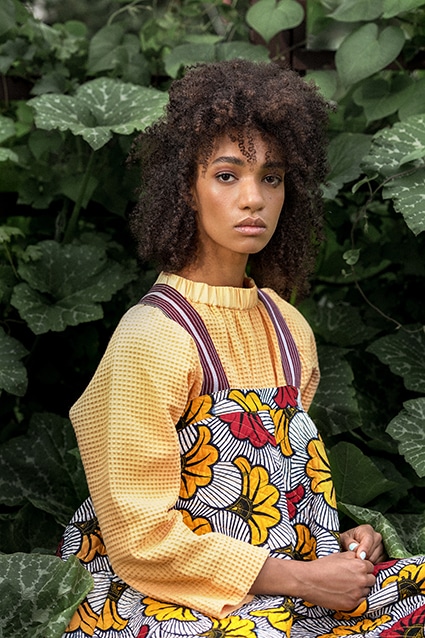
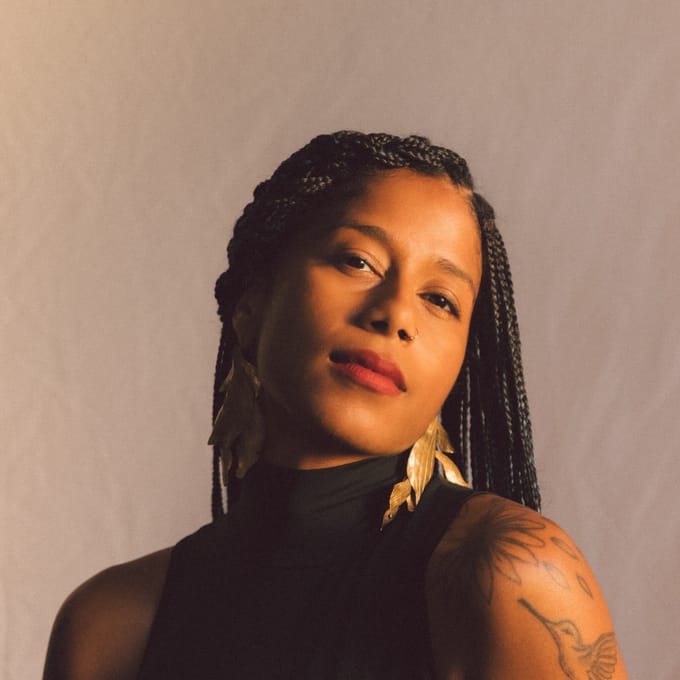
DADDY’s Janice Faith visits Berlin-based fashion designer Buki Akomolafe to talk about starting a clothing label, creating sustainable fashion, and blending cultures in the process
Written by Janice Faith
Photos by Leonor von Salisch
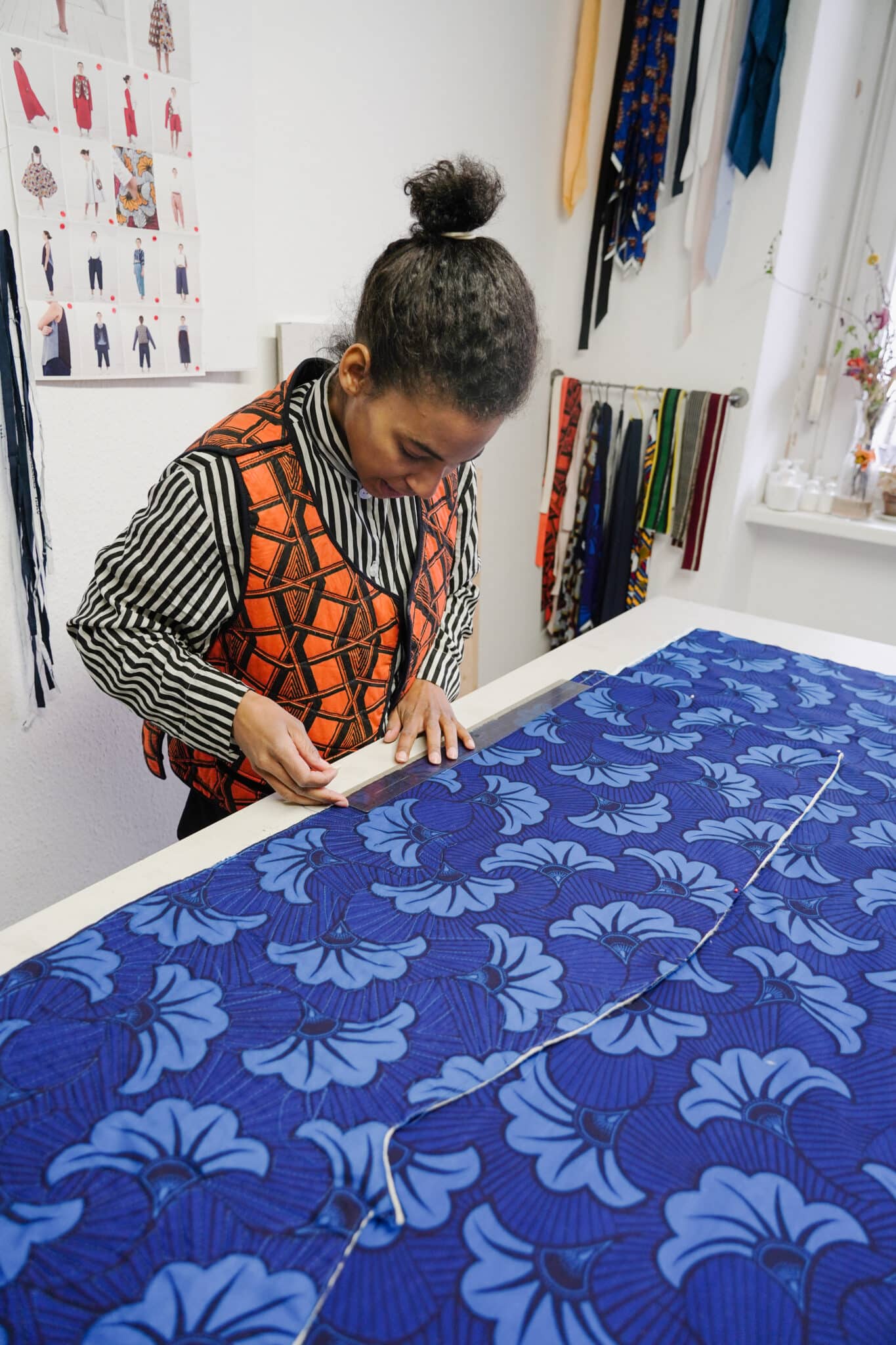
It’s another rainy, monochrome day in Berlin as I make my way to the BUKI AKOMOLAFE studio. When Buki opens the door with a bright smile, I leave behind the clouds and greys, and enter a world of blues, yellows and oranges. My gaze wanders over the beautiful garments on display, the sewing machine below a pinboard full of photographs and fabric samples, and a large table full of quilted fabric scraps from previous collections. Buki is currently creating unique tote bags for a collaboration with the platform Future Female Africa, which invites female leaders from all fields to join and grow a collaborative circle across African countries and the diaspora.
Influenced by her German and Nigerian heritage, Buki started her journey by studying fashion design at the University of Applied Sciences in Berlin (HTW Berlin). After two years of research and several projects as a high school teacher, she founded her eponymous label BUKI AKOMOLAFE in 2016.
BUKI AKOMOLAFE’s mission is to build bridges between two worlds - Nigeria and Germany - to facilitate a fair exchange between contrasting microcosms, while bridging cultural contrasts through her designs. The designer believes in a sustainable future of fashion with fair and ethical production, and in creating clothes that empower women around the world.
We continue to the next room, which holds Buki’s sewing patterns, sketches and fabrics, and I can feel the care, creativity and passion seeping through every little object. The studio is filled with large, lush plants and I feel right at home when Buki brews us a cup of tea before we sit down and start talking…
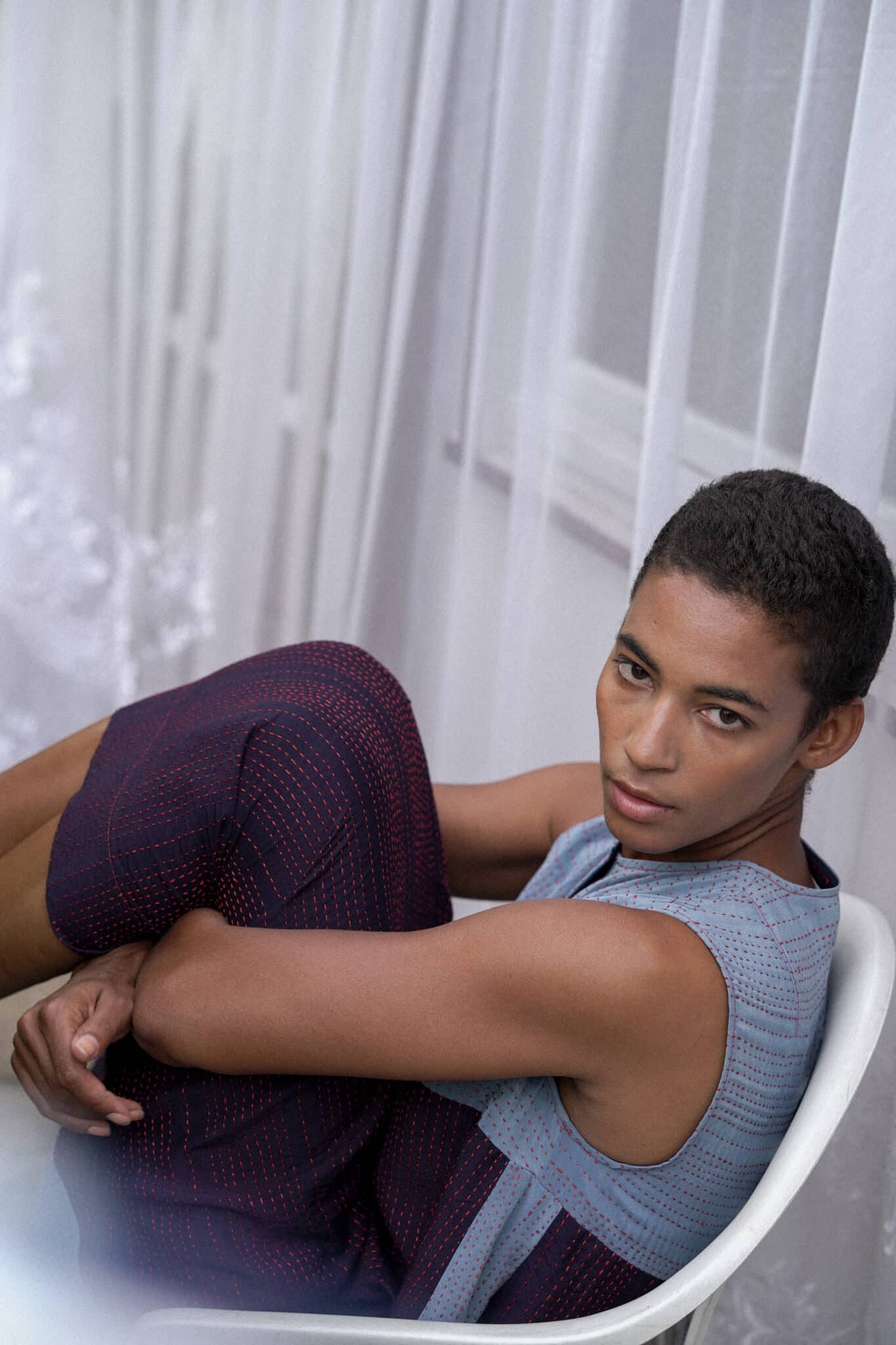
I had the idea after completing my Fashion Design degree at the University of Applied Sciences in Berlin. My final collection was about building bridges between two contrasting worlds and I wanted to continue doing that. Creating fashion is how I express myself; it’s my tool to “talk” about my cross-cultural heritage and create an understanding for the two cultures I grew up with. It was actually quite difficult to enter the fashion industry at that time because neither consumers nor agencies were ready for sustainable clothing, let alone for African designers. That has totally changed within the last few years.
My personal relationship to fashion is controversial. I love to dress up for different occasions and I love to create clothes, but I don’t like the actual fashion system, which is unsustainable and also based on racism and unfair treatments, which BIPOCs are most affected by. Things are slowly changing and there are more and more small brands that are part of this change by raising awareness and doing things differently – but there’s still a long way to go.
Growing up in two different countries definitely influenced and inspired my brand. It influences the way I use colours, the shapes, my attitude and how I deal with certain obstacles etc. I can imagine collaborating with designers and artists like Dye Lab, IAMISIGO and Kids of the Diaspora. Jil Sander inspired me since I studied fashion design and I love the work of Diana Ejaita.
"Creating fashion is how I express myself; it’s my tool to “talk” about my cross-cultural heritage and create an understanding for the two cultures I grew up with."
There is a growing awareness for how and under what circumstances clothes are made. I totally believe that more brands will be responsible in their supply chain and that we need a mindset of acting local but thinking global. Brands need to pay the people who make our clothes a living wage. The way we consume clothes also needs to change. We don’t need that many clothes as there are so many sustainable options of consuming clothes nowadays, such as renting. If you want to buy a garment, ask yourself if you love it, if you really need it and if you’d wear it more than 30 times. Where would you wear it? Is it comfortable? Choose quality items over quantity.
I love all stages of the process… it starts with the fabric and some sketches of shapes. Then I choose the patterns and try out some quilting techniques and when I have my fabrics, I start with pattern-making and then come the first samples. It’s so much fun to finally see the vision becoming reality. I always feel honoured and it makes me smile when I see people wearing my clothes.
I want a fair cultural exchange between the Global North and the Global South. For BUKI AKOMOLAFE I'm looking forward to creating more fabrics that are made in Nigeria or other parts of West Africa. I want people to feel comfortable wearing my clothes, supporting their identity, and wearing timeless clothes that they will enjoy at different occasions for a long time.
"If you want to buy a garment, ask yourself if you love it, if you really need it and if you’d wear it more than 30 times."
Published 27 June 2023